Get A Quote
  • 404.236.7557
  • Blog

    Outdoor Rooms

    TYPE OF OUTDOOR ROOMS Sleeping, Reclining, Reading AreasOn a beautiful day, haven’t you ever just felt like lying down to relax and feel the breeze and hear the birds and squirrels chatter?  You can when you have an outdoor bed or sofa.  Much like the appeal of sleeping inside a screened porch when the day or night weather feels so comfortable, you can create an outdoor space to fully relax by placing a weather-proof sleeping structure like a bed or Indian-style banket(sp) in an appropriate spot outside.  You may also want to hang a “mosquito-net” from a tree or other structure to keep away the pests.  Cushions and other materials are now more available for outdoor use in many wonderful colors and patterns. Living Rooms for conversationsAlthough living rooms inside homes have been losing their appeal for “visiting” with friends and kitchens have now become the “visiting” area, a living room outdoors for relaxing and inviting conversation can be a wonderful addition to your landscaping.  Gorgeous new designs for outdoor furniture have exploded on the scene and even beautiful outdoor rugs are available.  So consider adding an outdoor living room and discover the enjoyment of tea time outdoors with your friends while your kids also have fun running around outdoors. Outdoor showersYes, outdoor showers are becoming popular.  Especially if you have a pool and don’t want to go dripping inside to get to the bathroom to shower.  And you feel even more in communion with Nature while showering outdoors.  I have seen wonderful examples of showers artfully created with natural stone that simulates showering under an outdoor waterfall.  And other natural materials such as stone, wood or tin can be used to create privacy “walls”. Dens with fireplaces or firepitsOutdoor fireplaces, along with outdoor kitchens, has been the fastest growing element for bringing the indoors outside.  Or if you don’t have the budget for an outdoor fireplace, there are many portable outdoor firepits available on the market.  So there is no excuse now for not getting out and enjoying the comfort of a warm fire and toasting marshmallows for somemores on a nice cool evening.   CREATING THE “WALLS” Some ways to create the “walls” for outdoor rooms are: Actual walls or retaining walls created from stone, decorative concrete blocks, brick, wood, poured concrete, stucco, glass block. Any form of planting.  Outdoor curtains or drapes. Placement of outdoor furniture.  

    Edible Gardens

      Over the past 3 years, we have received more requests for herb and vegetable gardens.  My impression is that this increase in interest has come about due to the trend and encouragement to “be more green” and the health interest for organic food. The gardens that actually get approved and installed more frequently are herb gardens since the plants require less space to grow and are “prettier” plants. Popular herbs for Atlanta: Rosemary, Basil, Oregano, Thyme, Chives, Cilantro, Parsley, Mint Popular vegetables for Atlanta: tomatoes, radishes, peppers, carrots, peanuts, beans, eggplant, cucumber, corn, potatoes, cauliflower, peas, onions, okra, broccoli, celery, artichokes, garlic, zucchini, cabbage, lettuce and turnips. Fruits for Atlanta:  Strawberries, Blueberries, Figs, Apples, Pears Herbs:  All herbs mentioned do well planted together.  They all need full sun conditions and well-drained soil.  Start by seed in late winter inside.  Install grown-out plants in late Spring. Vegetables:  Most leafy vegetables prefer cool weather and can be planted in Fall.  Most other vegetables can be planted in April. Fruits:  Plant strawberries in April; blueberry bushes in Fall; Fig, Apple and Pear trees in Fall. For novice gardeners, most any herb is easier to grow than vegetables and fruits.  They require less space (can even be grown in container) and less extensive soil preparation. All new plants require regular watering during dry weather (2-3 times per week) and some pruning or pinching back as the plants grow.  Most herbs do not over-winter and will need to be replanted each year. Plants that can be grown in containers. Herbs:  most any herb Vegetables:  Tomatoes, peppers, beans on trellises, cabbage, lettuce Fruits:  Blueberry bush

    Summer Annuals

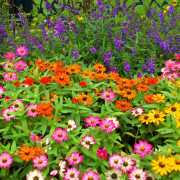
    SUMMER ANNUALS FOR SUN   Begonia Geranium Vinca Sun Coleus Verbena Wave Petunia Scaevola (Fan Flower) Salvia Ageratum Zinnia Angelonia Fountain Grass (green variety is a perennial) Plumbago Purple Setcresia Dusty Miller Alternanthera Penta   SUMMER FLOWERS FOR SHADE   Impatien  (annual) Caladiums (annual) ‘Summer Wave’ Torenia    (annual) Shade Coleus (annual) Astilbe     (perennial) Hosta       (perennial)

    Extreme Winter Cold Protection

    Extreme Winter Cold Protection for Your Plants Winter is finally here and with it comes our crazy Atlanta temperatures! Most of your landscape plants will be fine during this period but occasionally with extreme cold like we are having now some plants may show damage.  Right now the most important plants to protect are those that are getting ready to bloom like Camellias and tender plants like some tropicals that are borderline in our planting zone. Damage will depend on how long the freezing weather lasts and the overall health and tenderness of your plants. Mulching your landscape is excellent protection for your plants during our extreme cold. Plants that can be affected: Container plants, Camellias with buds, Gardenia, Fatsia, Aucuba, palms and Lantana (perennial). If your plant is very large then protection will be difficult or impossible. Concentrate on the manageable plants or only a special plant or two. Preventative measures you can take: Place container plants in a covered area (garage, house or shed )or place a protective covering over them making sure the foliage is not in contact with the cover . Using stakes will help create a tent like enclosure. The roots will get freeze damage so wrap the pot with plastic, burlap or plastic. Placing plants against a wall or other structure will help break the wind. Small courtyards or semi enclosed spaces will help protect them too. Before it freezes (while the ground is not frozen), water your plants to help protect the roots. Soil that is well watered will absorb heat and radiate heat. Plants will weak or shallow roots are more susceptible to injury. Mulching the roots helps regulate soil temperatures. Covering your tender plants and plants that are in bud (like Camellias) will create a pocket of air to insulate them. Ideally the cover should not touch the foliage but sometimes that is very difficult to do. Make sure the cover also reaches the ground and is secured in case of strong winds. Home Depot is selling lightweight plant covers that come in different sizes. They have a drawstring which will help keep them from blowing off.  Other stores and nurseries may be offering similar products. Call before you run out to get some to make sure they are available. You can also use sheets, plastic or cardboard boxes. Black plastic is best since clear will create a greenhouse and could overheat your plant. Just remember to secure them with rocks or stakes so they don't blow off! Fortunately this freeze will pass through in the next couple of days and we can get back to our normal winter temperatures. Don't forget to take your covers off when the weather warms up to above 32 degrees. Plants need light and will suffer if the cover is left on for longer than 2 days.

    Transitioning from Winter to Spring

    Warm Season Turf   (Bermuda and Zoysia)                                                Apply PRE-EMERGENT Weed Control...……...Mid-February (optimum) to Mid-March 2nd Pre-emergent application with Fertilizer………………………………………….April Apply Post-emergent Weed Control for Broadleaf Weeds..…Anytime when visible Service EQUIPMENT (mowers, edgers, trimmers)………………………….Early March SOIL TEST (if desired)………………………………………………………Early March DETHATCH small areas with a rake or SCALP large areas with a Mower………………………..…Late March to Early April AERATE compacted soil areas……........…………………………………………....April FERTILIZE with high nitrogen turf fertilizer when grass begins to “green up”…….April TOP DRESS with river sand if needed when grass begins to “green up”…………...April Turn on IRRIGATION (when day temperatures in upper 60’s)……………......Mid-April   Cool Season Turf  (Fescue) Apply PRE-EMERGENT Weed Control...……...Mid-February (optimum) to Mid-March and high nitrogen Fertilizer Apply Post-emergent Weed Control for Broadleaf Weeds…………Anytime when visible Service EQUIPMENT (mowers, edgers, trimmers)………………………….Early March SOIL TEST (if desired)………………………………………………………Early March Turn on IRRIGATION (when day temperatures in upper 60’s)……………......Mid-April SEED thin spots (regular seeding normally in Fall)…………………..Feb. to Mid-March   EXAMPLE WEEKLY TIME LINE – BERMUDA WEEK OF :   FEB. 14           Apply PRE-EMERGENT Weed Control   FEB. 21           Apply Post-emergent Weed Control for Broadleaf Weeds   FEB. 28           Service EQUIPMENT (mowers, edgers, trimmers)   MAR. 7           SOIL TEST (if desired)   APR.  4           DETHATCH small areas with a rake or SCALP large areas with a Mower Scalp over 3 mowings.  This week set mowing height at 2 inches.   APR. 11          SCALP large areas with a Mower Scalp over 3 mowings.  This week set mowing height at 1 ½  inches.   APR. 18   SCALP large areas with a Mower.  This week set mowing height at 1 inch. FERTILIZE with high nitrogen turf fertilizer when grass begins to “green up” TOP DRESS with river sand if needed when grass begins to “green up” Turn on IRRIGATION (when day temperatures in upper 60’s)   APR. 25          Begin MOWING when grass is fully green and grass height reaches 2 ½ inches.       EXAMPLE WEEKLY TIME LINE – ZOYSIA WEEK OF : FEB. 14           Apply PRE-EMERGENT Weed Control   FEB. 21           Apply Post-emergent Weed Control for Broadleaf Weeds   FEB. 28           Service EQUIPMENT (mowers, edgers, trimmers)   MAR. 7           SOIL TEST (if desired)   MAR. 14         DETHATCH small areas with a rake or SCALP large areas with a Mower Scalp over 3 mowings.  This week set mowing height at 2 inches.   MAR. 21         SCALP large areas with a Mower Scalp over 3 mowings.  This week set mowing height at 1 ½  inches.   MAR. 28         SCALP large areas with a Mower.  This week set mowing height at 1 inch. FERTILIZE with high nitrogen turf fertilizer when grass begins to “green up” TOP DRESS with river sand if needed when grass begins to “green up”   APR. 11          Turn on IRRIGATION (when day temperatures in upper 60’s) Begin MOWING when grass is fully green and grass height reaches 2 ½ inches.       EXAMPLE WEEKLY TIME LINE – FESCUE WEEK OF : FEB. 14           Apply PRE-EMERGENT Weed Control with high nitrogen Fertilizer Avoid pre-emergent where new Fescue seed is applied.   FEB. 21           Apply Post-emergent Weed Control for Broadleaf Weeds   FEB. 28           Service EQUIPMENT (mowers, edgers, trimmers)   MAR. 14         Begin weekly MOWING at 3” height as grass begins to grow more rapidly   APR. 11          Turn on IRRIGATION (when day temperatures in upper 60’s) .    

    Small Space Gardening

    Presented by Dixie Speck Consider the type of space How much space is there How do you want to use the space What garden theme excites you What level of maintenance will be provided Will furniture be included What type of furniture and how much space will it require  What type of primary surface is desired Hardscaped Grass Mostly planted Space for containers only How is or how will the space be enclosed  What are the environmental conditions sunny shady mostly wet very dry Is there a need to create some shade  What type of plants choices are there for this environment Irrigation needs and options PLANT SELECTIONS Each individual plant should have a long season of interest Be sure to use plants with contrasting textures Use varying heights (this also goes for container gardens) Perennials for Foliage: Acanthus Ajuga Artemesia Aspidistra Canna Crocosmia Dicentra Epimedium Geraniums Grasses Hosta Stachys byzantina Summer Tropicals Small Shrubs: Azalea ‘Gumpo’ Boxwood Euonymus Fatsia Ilex ‘Soft Touch’ Laurus nobilis Prunus laurocerasus ‘Nana’ Taxus baccata Sarcococca Dwarf conifers  Small Trees: Acer griseum Acer japonicum Amelanchier lamarckii (Serviceberry) Cercis canadensis ‘Forest Pansy’ Cornus Crataegus Magnolia stellata (Star) Malus ‘Profusion’ Malus sargentii Prunus serrula Prunus subhirtella ‘Autumnalis’

    Maintenance is Key

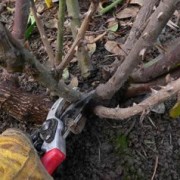
    October 2008 [Published in Atlanta Home Improvement Magazine] Once your landscape is planted, make sure to keep it beautiful by Dixie Speck, Solterra Landscape For Atlanta Home Improvement Magazine October 2008 issue   How exciting! You have finally made the investment in the creation of a beautiful landscape or new garden area! Now what? It looks so beautiful, but how do you keep it that way? If you are like most homeowners, you opted for a low-maintenance landscape. Hopefully it will grow into being low-maintenance; however, initially, it will take more care to get established.   So what do you do? First you need to be familiar with your new plant materials and their individual care requirements. These include watering, fertilization, pruning, and pest control. If you do not have this knowledge, refer to a good resource such as your landscaper, your county extension service, a reference book, or the Internet. Some landscapers offer consultation services for a small fee. Once you are armed with this information, then you can create your maintenance plan. Water Well Water will be the most critical factor in establishing your new landscape. More plants die from either too little or too much water than from other factors.  First, be sure to check for local watering restriction updates on the MALTA Web site, www.maltalandscape.com. Currently, hand watering is allowed for 25 minutes a day on an odd-even scheduled between midnight and 10 a.m. Odd numbered addresses can water Tuesday, Thursday and Sunday, and even numbered on the other days. Early morning is the best time since watering in the evening can invite the growth of fungus.  Newly sodded or seeded lawns will require more frequent watering than trees and shrubs. The goal with sod and seed is to keep them continually moist (but not water-logged) for the first 2 weeks, and then can be stepped back to 3 days per week for the remainder of the growing season. Because of this, check on local restrictions before laying down a new lawn.   Trees and shrubs require 3 to 8 minutes once to twice daily (depending upon how quickly your soil dries out) for the first two weeks. Be aware that watering times and frequency will vary with the weather. Less water is required during wetter, cooler months. Pay close attention to each plant to see if it is telling you that it needs more water or less water. A wilting plant can also mean too much water. First check the soil 1 inch below the surface at the roots to see if it is wet or dry. If still very wet, do not apply more water. The soil may even need to be further amended to help with drainage. Food for thought Fertilization is also important in helping plants and grass to survive and thrive.  A time-released type fertilizer should have been applied with the installation. Some specialized fertilizers exist for certain types of plant materials such as annual flowers and acid-loving shrubs which includes Azaleas. However, a general fertilizer formulation of 10-10-10 can be used with most all plants and grass. If a fertilizer was not applied at installation, apply as soon as possible.  Always refer to the fertilizer manufacturer’s recommendation for application on the package. It is possible to damage plants and grass by applying too much fertilizer. It is recommended that grass be fertilized throughout the growing season. Trees and shrubs should be fertilized no less than twice per year. Growing grass The highest maintenance plant type is grass, which refers weekly mowing during the growing season. Newly installed sod and seed should not be mowed for two to three weeks following installation. New sod is ready to mow when it is growing and has rooted well (test by lightly tugging on a few sod pieces). New seed is ready when the majority of the seed has grown in and is not pulled out by the mower wheels passing over it. The cutting height will depend upon the type of grass. Ask your landscaper or refer back to a good reference source for the proper mowing height.  Pruning time Tree and shrub pruning requirements will be based on the type of plants and their rate of growth. Many evergreen shrubs (such as holly and cleyera) will require frequent pruning and can be pruned during most times of the year. Some flowering shrubs (such as hydrangeas and azaleas) should only be pruned in spring and summer in order to avoid pruning out the flower buds for the next season. Perennial plants can be pruned to the ground when their foliage completely turns brown usually late summer to fall. Weed whacking Weeds are a maintenance nightmare. Pre-emergent products exist to aid in decreasing the emergence of weeds from seed. However, it is important to use the proper product since most pre-emergents will also prevent or impede growth of new sod or flowers. Do not apply a pre-emergent on grass seed, since it is meant to prevent seeds from growing. Common pre-emergents can be applied over well-established lawns and shrubs or mulched beds.    If weeds are present, a post-emergent can be carefully applied to the weed. Most post--mergents (weed killers) that are commonly bought and used are non-selective, which means that they will kill or damage any plants whose foliage is sprayed. Therefore, be very careful not to spray the leaves of shrubs and trees, or the blades of grass. If weeds are very close to desirable plants, it is best to pull them by hand, taking care to get the roots of the weed. Additional pests are disease and insects. Monitor your plants and consult a good resource to diagnose any problems. Treat any problem as soon as it is detected. There are also products for prevention of disease and insect damage. As always, be sure to follow the manufacturer’s label for directions as using any product.   Maintaining your newly installed landscape or garden does seem like a lot of work, but it can be accomplished successfully with knowledge, time, and care. f you are lacking in any of these areas, a professional landscape contractor can help. Being familiar with your landscape materials and maintaining them with proper watering, fertilization, pruning and pest control will bring you joy and pride in your home for many years. So Happy Maintaining!

    Increase Your Curb Appeal

    HOW TO USE LANDSCAPING TO INCREASE CURB APPEAL WHEN SELLING YOUR HOME Prepared by Dixie Speck, Landscape Designer and President Spending just $400 to $500 (for do-it-yourselfers) on fresh landscaping, for example, can boost your home’s value by $1,600 to $1,800, according to a survey of real estate agents conducted by HomeGain, an Internet real estate service.   1.   CLEANUP YOUR LANDSCAPE PRUNING – Reign in those unruly shrubs that are hiding your house MOWING AND EDGING – Mow your lawn or hire a mowing service every week during the active growing season. And include edging the grass along curbs, walkways, patios, and bedlines. PLANTED SPACES – Keep your planted spaces clean. Keep these areas weeded and cleared of leaves. MULCH - Fresh and clean mulch for areas that are planted or are bare ground is essential. ROOF AND GUTTERS – It also helps to keep the roof and gutters cleared of leaves, pine needles, extra 2.    ADDITION OF PLANTS AND FLOWERS FLOWERS – Plant annual flowers for each season in existing flower beds, or create new flower beds at key locations such as the mailbox, beginning of sidewalk, and/or close to the front door. For the backyard, containers of flowers on patio and decks can add to the overall look. SHRUBS – If there are empty spaces in the front where plants have died, replace them with plants close to the size of existing ones around them. Replace diseased or otherwise sad-looking shrubs. TREES – Remove dead limbs from trees (or have a tree service do it). It also looks better and cleaner to remove short lower limbs on large trees in the yard. GENERAL FALL LANDSCAPE TIPS PLANTING - Fall is the best time to plant trees and hardy shrubs BULBS – November is best for planting bulbs that will bloom in late winter to early spring. LEAVES – Keep leaves cleared off your lawns; especially if you have newly seeded Fescue. Invest in a blower – it really makes quick work of leaf removal. MULCH - After the leaves have mostly fallen, it is important to check the mulched area. If the mulch is thin or has disappeared from an area, add some mulch. It will protect the roots of the plants and trees from extreme soil temperature changes over the winter. Mulch also helps to conserve moisture and get down on weeds

    Some Favorite Seasonal Color Combinations

      HOT COLORS:   COOL COLORS: 1. Alabama Coleus (Yellow and Rust Red)        Red leaf, Red Begonia      Alternanthera gold or Duranta gold     1.   Pink Penta       Lilac Verbena       or Lilac Wave Petunia 2. Purple Salvia      Rose color Begonia       or Zinnia Profusion Cherry  2,  Pink Penta      Blue Hawaii Ageratum      Victoria Blue Salvia 3.  Red Begonia       Purple Scaevola (Fanflower)     3.  Dusty Miller       Any Pink Flower  4.  Orange Zinnia       Purple Setcresia   BRIGHT COLORS:   1.  Victoria Blue Salvia      Green leaf, Red Begonia      Alternanthera gold or Duranta gold   2.  Victoria Blue Salvia      Purple Verbena or Purple Wave Petunia      Gold Coleus or Alternanthera gold or Duranta gold   3.  Victoria Blue Salvia      Pink Begonia      Purple Verbena or Purple Wave Petunia   EUROPEAN STYLE WINDOW BOXES:   1.  Red Geranium      Purple Scaevola      Red Verbena      Purple Wave Petunia      Gold Lantana      Variegated Ivy or Chartreuse Sweet Potato Vine   2.  Pink Geranium      Pink Mandevilla Vine      Asparagus Fern      Purple Wave Petunia      White Bacopa   CONTAINERS:   1.         Blue Plumbago             Red Verbena             Purple Wave Petunia             Variegated Ivy             Asparagus Fern   2.         Red Fountain Grass             Blue Hawaii Ageratum             Pink Verbena             Golden Oregano or Creeping Golden Thyme       

    Renovating Older Landscapes

     A.  TYPICAL AGE FOR RENOVATION ( 20 + years old) shrubs have been pruned improperly inappropriately planted shrubs whose mature size is too large for the location little to no fertilization surrounding trees have become larger and providing more shade large trees have fallen or been removed, suddenly subjecting plants below todirect sun    B.  IMPROPERLY PRUNED  and TOO LARGE SHRUBS Choice 1: decide if they are worth renovating with pruning and fertilization, and if you can wait for them look bad for several months Choice 2:  remove old shrubs and start over with new shrubs appropriately selected for location   C.   FERTILIZATON Use a fertilizer formulated for Tree and Shrub use with ironite included (Be sure to follow directions and not use too much!)   D.   SURROUNDING TREES HAVE GROWN LARGE When trees are young and small, the plants around them selected for planting areusually ones that do better wtih good sunlight.  Now that the trees are mature and provide a lot of shade, the plants beneath are not getting enough light.  These plants should be moved to an area with more sunlight and new shade plants installed under the tree shade.   E.   LARGE TREE(S) HAS BEEN LOST OR REMOVED The plants underneath may require shade, and now they are suddenly in full sun (such as Azaleas).  Either plant a new, large tree that will provide enough shade; or move these plants to a shadier area and replace with full sun plants.   F.   OTHER TYPICAL RENOVATION NEEDS Improved sidewalks New driveway with masonry details (i.e. stone apron or other) Larger planting beds Redo lawns that are 50% or more weeds New, larger deck Additional drainage installed